
Prime Highlights
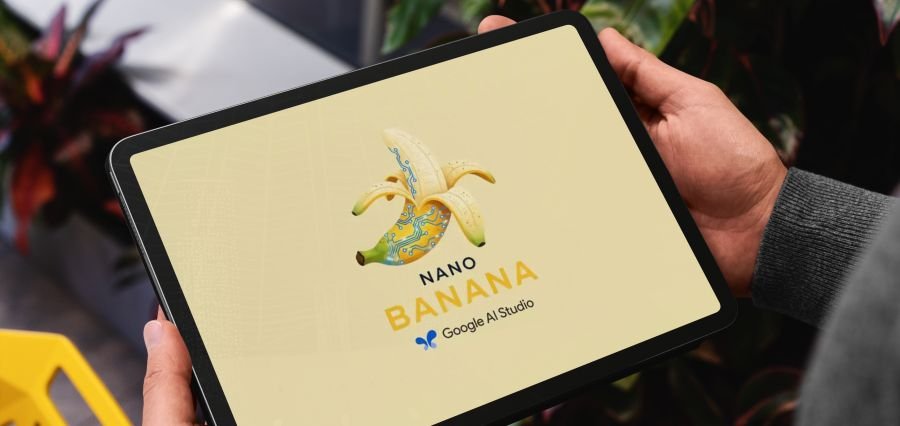
- Google introduced Nano Banana 2, replacing earlier versions across Gemini’s Fast, Thinking, and Pro models to strengthen its AI image capabilities.
- The new model offers faster generation, improved instruction-following, and more accurate text rendering, with enhanced real-time knowledge integration.
Key Facts
- Nano Banana Pro, built on Gemini 3 Pro, will remain available for maximum factual accuracy and high-fidelity detail, while Nano Banana 2 focuses on speed and precise prompt execution.
- Competition is rising from rivals including OpenAI (maker of Sora), Adobe with Firefly, and ByteDance with Seedance.
Background
Google on Thursday launched Nano Banana 2, the latest version of its fast-growing artificial intelligence image generator, as competition heats up in the generative AI market.
The original Nano Banana debuted in August and quickly gained popularity online. Google followed with Nano Banana Pro in November, built on its Gemini 3 Pro model. The new Nano Banana 2 now replaces earlier versions across Gemini’s Fast, Thinking and Pro models.
According to Google, Nano Banana 2 delivers faster image creation, improved instruction-following and more accurate text rendering. The company said the model can generate clearer text for use cases such as marketing mockups and greeting cards. It also features stronger “world knowledge,” pulling real-time information from Gemini to improve accuracy in visual outputs.
Google said Nano Banana Pro will remain available for tasks requiring maximum factual accuracy and high-fidelity detail. In contrast, Nano Banana 2 focuses on rapid generation, precise execution of prompts and integrated image-search grounding.
The launch comes as demand for AI-generated images and videos continues to surge. Users can now create detailed graphics and short films using simple text prompts. Rival OpenAI introduced its video-generation tool Sora in 2024, drawing heavy usage. Sam Altman previously noted that demand for such tools strained computing systems.
Meanwhile, Adobe expanded its Firefly AI tools across its creative software. ByteDance also entered the market with its video tool Seedance.
As generative AI tools improve quickly, companies work to create new products while also dealing with legal and ethical challenges in the creative industry.