
Prime Highlights:
- Plymouth saw the fastest rise in UK house prices in 2025, with an increase of 12.6%, driven by better infrastructure, amenities, and lifestyle options.
- Other regional markets, including Stafford, Wigan, and Hull, also saw strong growth, highlighting growing opportunities outside London.
Key Facts:
- The average UK house price rose 3.7% in 2025, with Northern Ireland leading regional growth at 5.8%.
- Scotland’s prime market performed strongly, with Edinburgh seeing a 2.1% rise in prime property values, while the country house market showed signs of recovery.
Background:
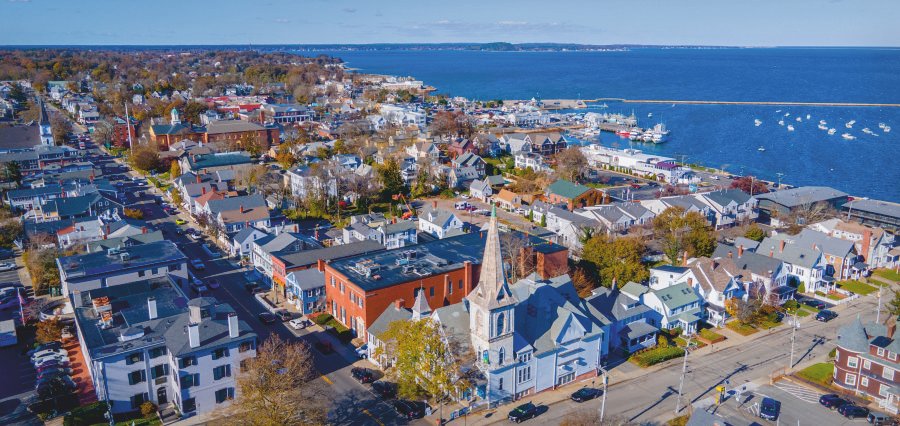
Plymouth saw the fastest rise in UK house prices in 2025, as better infrastructure, facilities, and lifestyle options drew more buyers to the city. According to a survey of housing hotspots by Lloyds Banking Group, the average property price in Plymouth rose by 12.6%, reaching £278,808, the highest growth across the country.
The surge comes as investors and homebuyers respond to developments such as Royal William Yard, which added numerous new homes, and enhancements in retail, sporting, and culinary options. Nigel Bishop of Recoco Property Search noted that Plymouth’s improved lifestyle and community amenities have made it “an attractive option for house hunters of all ages,” fueling competitive demand and higher property values.
Other cities also saw strong growth, with Stafford and Wigan recording double-digit increases in house prices. Hull made it into the top ten areas for house price growth for the first time, with prices up 6.5%, helped by being named a top destination by National Geographic for 2026.
Across the UK, average house prices rose 3.7%. Northern Ireland led the way with 5.8% growth, followed by Scotland and the north-west. London, on the other hand, saw a small fall of 0.1%, but it remains the most expensive region, with an average property price of £574,514. Amanda Bryden, head of mortgages at Lloyds, highlighted the increasingly localised nature of the housing market, with some areas rising sharply while others cooled.
In the prime London market, price falls at the top end have slowed since the latest budget, with outer prime areas dipping by just 0.2% and prime central London easing by 0.9% in the final quarter. Frances McDonald, director of research at Savills, said that changes to inheritance tax and higher stamp duty had slowed down market expectations, with demand gradually picking up among high-end UK buyers.
Scotland was the strongest performing prime market, with Edinburgh seeing a 2.1% increase in prime property prices. The country house market is starting to recover, with price drops slowing after a tough year.
The 2025 housing trends show more opportunities outside London, with regional markets growing and offering good chances for investment.
Read Also: Hyphen’s Automated Makelines Help Restaurants Work Faster with Support from Chipotle and Cava